Fuel Cells
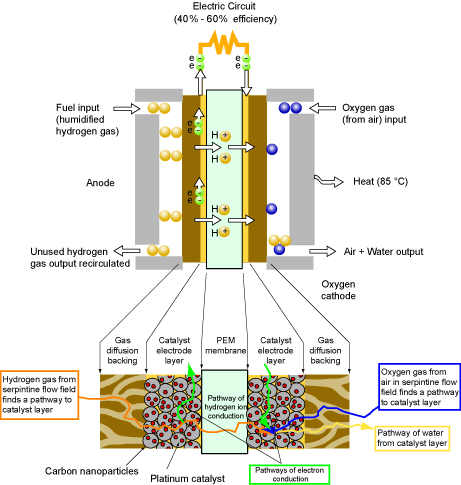
A fuel cell is an electrochemical device that converts hydrogen fuel directly into electricity and heat without combustion.
By the nature of its electrochemical reaction, a fuel cell can be more than twice as efficient as an internal combustion engine (approximately 60% compared to about 30%).
A conventional engine burns fuel to create heat and in turn converts heat into mechanical energy and finally electricity. A fuel cell produces electricity, water and heat directly from hydrogen and oxygen.
Conventional engine
Fuel → (combustion) → Heat → Mechanical energy → Electricity
Fuel cell
Fuel → (chemical reaction) → Electricity + Water + Heat
(intelligent-energy.com)
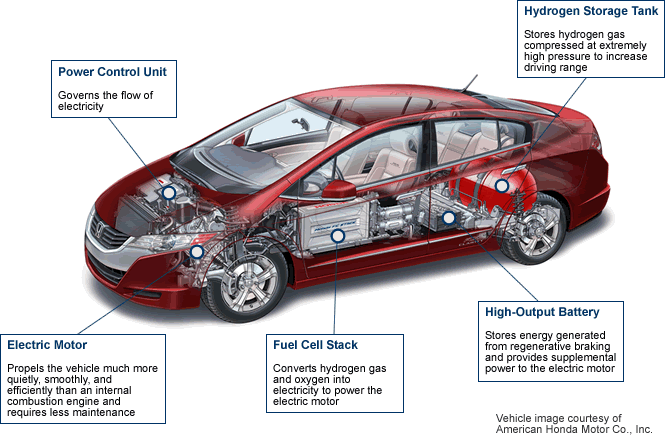
FCVs (fuel cell vehicles) look like conventional vehicles from the outside, but inside they contain technologically advanced components not found on today's vehicles. The most obvious difference is the fuel cell stack that converts hydrogen gas stored onboard with oxygen from the air into electricity to drive the electric motor that propels the vehicle. The major components of a typical FCV are illustrated below. |
The following video give an insight of how the Honda fuel cell vehicle works.
The FCX Clarity is an electric vehicle. A fuel cell vehicle is powered by an electric motor running on electricity generated by a hydrogen-powered fuel cell stack. The compact coaxial motor is quieter and can run at higher rpm, for greater efficiency and speed.
The Vertical Flow (V Flow) fuel cell stack is one of Honda’s greatest breakthroughs in this
area. The new design is smaller, allowing for better packaging efficiency. With
a smaller stack, there’s room for
more people. This ingenious design allows higher cell voltage stability and reduces the amount of heat
generated. Gravity also helps with drainage of the excess water.
The compact,
high-efficiency lithium-ion
battery pack is used as a supplemental power source capturing lost
energy during deceleration and braking. The new lithium-ion battery delivers
improved performance and energy recovery in a more lightweight, compact package. The new battery is
significantly lighter and smaller than the ultra-capacitor of the 2005 FCX,
allowing it to be stowed under the rear seat. This gives the car more passenger space and a bigger trunk (automobiles.honda.com).
Hydrogen isn't
commercially available to motorists in the UK but costs about seven Euros a
kilogram in Germany so filling the 171 litre tank with four kg of compressed
hydrogen would cost about £25 and let you cover about 270 miles. Honda says as
a ball park figure the car's consumption equates to around 100mpg. With only
water vapour from the exhaust the FCX's CO2 emissions are zero. This puts the
car into tax band A so no road tax is payable.
Hydrogen
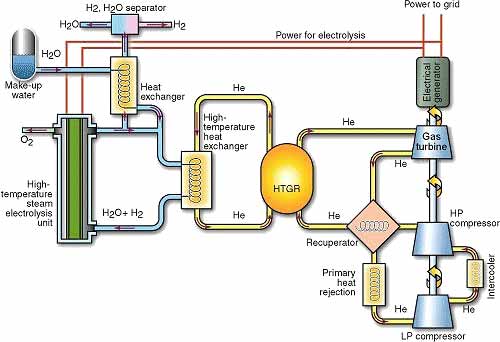 |  |
image from hydrogencarsnow.com | The dangers of hydrogen storage |
Right now, the primary way to make hydrogen is to separate it from natural gas, a process that generates carbon dioxide and undercuts the main motivation for moving to hydrogen fuel-cell vehicles: ending dependence on fossil fuels. The current alternative is electrolysis, which uses electricity to break water into hydrogen and oxygen, with the two gases forming at opposite electrodes. Although electrolysis is costly, it can be cleaner if the source of the electricity is wind, sun, or some other carbon-free source.
Israeli scientists
have invented an exceptional system that can produce Hydrogen inside a car by
means of common metals such as Aluminum and Magnesium. The system can solve all
of the barriers associated with the manufacturing, transporting and storing of
hydrogen to be used in cars. When it becomes commercial in a few years time,
the system will be included in ordinary cars that will cost almost the same as
existing conventional cars to run, and will be completely emission free.
The Hydrogen car currently being worked on will use metals like Magnesium or Aluminum which will come in the form of a
long coil. The gas tank will be replaced by a new device called a “Metal-Steam
combustor” that will separate Hydrogen out of heated water. The principle
behind the technology is fairly uncomplicated: the tip of the metal coil is
inserted into the Metal-Steam combustor together with water where it will be
heated to very high temperatures. The metal atoms will bond to the Oxygen from
the water, creating metal oxide.
Consequently, the Hydrogen molecules become free,
and will be sent into the engine alongside the steam. The solid waste product
of the process, in the form of metal oxide, will later be collected in the fuel
station and recycled for further use by the metal industry.
Refuelling the car based on this technology will
also be remarkably simple. The vehicle will contain a mechanism for rolling the
metal wire into a coil during the process of fuelling and the spent metal
oxide, which was produced in the previous phase, will be collected from the car
by vacuum suction (http://green-energy-center.blogspot.com).
