Ethanol E85 The principle fuel used as a petrol substitute for road transport vehicles is bioethanol. Bioethanol fuel is mainly produced by the sugar fermentation process, although it can also be manufactured by the chemical process of reacting ethylene with steam. The main sources of sugar required to produce ethanol comes from fuel or energy crops. These crops are grown specifically for energy use and include corn, maize and wheat crops, waste straw, willow and popular trees, sawdust, reed canary grass, cord grasses, jerusalem artichoke, myscanthus and sorghum plants. There is also ongoing research and development into the use of municipal solid wastes to produce ethanol fuel. Ethanol or ethyl alcohol (C2H5OH) is a clear colourless liquid, it is biodegradable, low in toxicity and causes little environmental pollution if spilt. Ethanol burns to produce carbon dioxide and water. Ethanol is a high octane fuel and has replaced lead as an octane enhancer in petrol. By blending ethanol with gasoline we can also oxygenate the fuel mixture so it burns more completely and reduces polluting emissions. Ethanol fuel blends are widely sold in the United States. The most common blend is 10% ethanol and 90% petrol (E10). Vehicle engines require no modifications to run on E10 and vehicle warranties are unaffected also. Only flexible fuel vehicles can run on up to 85% ethanol and 15% petrol blends (E85). AdvantagesEthanol, as noted above, is a renewable resource that contributes nothing in itself to global warming concerns. Like methanol, it can be blended with any amount of gasoline in the tank of a flex-fuel vehicle. In fact, starting with the 1999 model year, some automakers are making every one of certain vehicle models capable of using E85 in any mixture with gasoline, at no extra charge. Thus buyers will not have to do anything extra at all to have a vehicle capable of using an alternative fuel, though they will still have to find an E85 fueling station to take advantage of that capability. DisadvantagesThe main disadvantage of E85 is the price of the fuel, even with the available subsidies. However, research is under way to enable the fermentation of lower-grade feedstocks. Ethanol is somewhat corrosive, though less so than methanol, and concerns about vapor lock, cold starts, and flame visibility like those for methanol have led to the same standard blend of 85% alcohol with 15% gasoline (altfuels.org). Flexible Fuel Vehicles (FFV) As ethanol FFVs became commercially available during the late 1990s, the common use of the term "flexible-fuel vehicle" became synonymous with ethanol FFVs. In the United States flex-fuel vehicles are also known as "E85 vehicles". In Brazil, the FFVs are popularly known as "total flex" or simply "flex" cars. In Europe, FFVs are also known as "flexifuel" vehicles. Automakers, particularly in Brazil and the European market, use badging in their FFV models with the some variant of the word "flex", such as Volvo Flexifuel, orVolkswagen Total Flex, or Chevrolet FlexPower or Renault Hi-Flex, and Ford sells its Focus model in Europe as Flexifuel and as Flex in Brazil. In the US, only since 2008 FFV models feature a yellow gas cap with the label "E85/Gasoline" written on the top of the cap to differentiate E85s from gasoline only models. The first commercial flexible fuel vehicle was the Ford Model T, produced from 1908 through 1927. It was fitted with a carburettor with adjustable jetting, allowing use of gasoline or ethanol, or a combination of both. Running a vehicle with alternative fuels can cause premature injector pump seal failure resulting in fuel pump failure. The bio fuel causes the seals to swell and if normal fuel is used after this casues the seals to then shrink. Once this occurs the pump will leak fuel or suck in air. The most common symptom is that you can’t start your car, because the fuel has leaked out of the pump overnight and so there is air in the fuel lines. If the injector pump does fail there are options to rectify the issue: 1. Try switching back to biofuel. Several people have reported that running at least 30% biofuel re-swells the injector pump seals and stops the leaking. 2. If you can’t get biofuel, try a fuel additive. Customers have reported that Fuel additive has swelled their seals and mostly stopped the leakage, until they could get biofuel. 3. Following these steps if there is still a fault then the fuel seals will require replacing followed by the fuel pump. 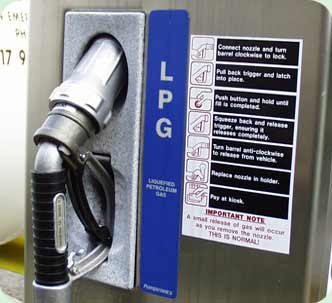  image from lpgfords.com |
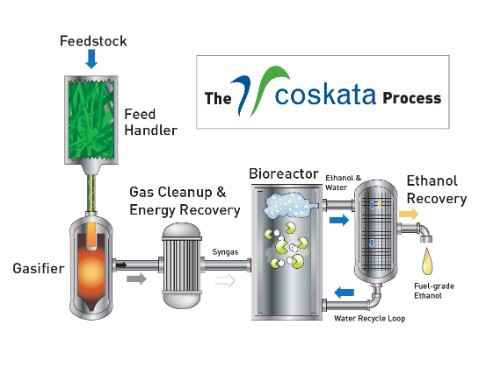 image from the motorreport.com.au 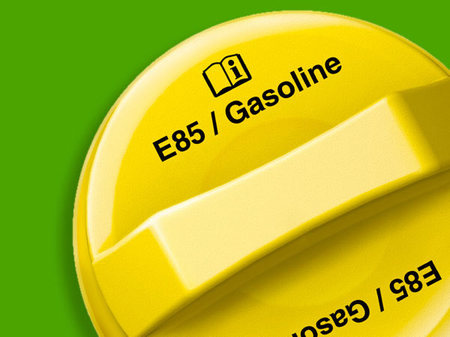 image from wired.com  image from cartype.com  image from hants.gov.uk LPG Two gaseous fuels that can be used in spark-ignition engines are Liquefied Petroleum Gas (LPG) and natural gas. Natural gas is a naturally occurring mixture of hydrocarbons consisting of at least 80% methane, with lesser amount of propane ethane and butane. LPG is also a mixture of hydrocarbons, but its main constituent is propane, with lesser amounts of ethane and butane. Both LPG and natural gas can be used within a modified spark-ignition (petrol) engine. These gases make ideal fuels for combustion engines due to their high octane rating, low levels of volatile organic compounds and the fact that they can readily mix with air prior to combustion. Due to limited availability of these fuels, most gas adapted vehicles are bi-fuel conversions, able to operate on either gas or petrol; the fuel being selected at the flick of a switch. Modern conversions use electronically controlled gas injection systems which allow optimised performance from either fuel type. The most significant difference between gas and conventional cars is the method of fuel storage. While both LPG and natural gas are gaseous at room temperature and pressure, LPG can be easily liquefied under pressure which makes it the more popular of the two 'road gases'. The steel tanks most commonly used to contain the fuels under pressure the fuel can add up to 60 kg to a vehicle's weight, and in the case of bi-fuel cars, can reduce overall fuel consumption as two fuel tanks are required (nextgreencar.com). The MSA Bluebook extract shows the regulations relating to use of LPG within motorsport. 5.13.5. If using LPG, the entire system must conform with Construction and Use regulations and LPG Industry Technical Association Code of Practice No. 11. (MSA Bluebook 2011, Page 135) The major points from the LPG Industry Code of Practice are shown below. 2.1.1
Fuel tanks should be designed and constructed in accordance with ECE
67.01 or be 2.1.2 Fuel tanks should be tested to a pressure of not less than 30 bar gauge. 2.1.3
Fuel tanks, fitted with their pressure relief devices, should meet the
'bonfire test' 2.1.4
Fuel tanks mounted outside or under vehicles should have an appropriate
surface finish 2.1.5
Fittings and components subject to tank pressure should be suitable for
contact with 2.1.6 Fittings should be those recommended by the fuel tank supplier/manufacturer. 2.1.7
Connections and fittings should, by position or other means, be
protected against 2.1.8
Particular care should be observed when selecting equipment for use
outside or under vehicles. |
